

Neck pain & cervical function
Your Neck Does More Than Hold Up Your Head.
Your cervical spine supports movement, stability, and constant sensory communication with the nervous system. When pain, stiffness, or restricted movement develops, understanding how the neck is functioning can be an important first step toward meaningful care.
More than discomfort
Neck Pain Doesn't Always Feel the Same.
Neck pain can involve joints, muscles, discs, ligaments, and other cervical structures. The way it feels—and how it affects daily life—helps shape the examination.
Stiffness and restricted movement
Difficulty turning the head, looking up, or moving comfortably.
Localized pain
Discomfort in the neck, upper shoulders, or surrounding muscles.
Headaches
Certain cervical structures can contribute to pain referred toward the head.
Pain with daily activity
Symptoms that become more noticeable with prolonged positions, repetitive movement, or physical activity.
The craniocervical junction
Small Movements. Significant Function.
The joint between the skull and atlas (C0–C1) contributes significantly to nodding and flexion-extension. The atlas and axis (C1–C2) provide a substantial portion of neck rotation, working with the rest of the cervical spine to coordinate movement.
Upper cervical muscles supply rich proprioceptive information about head position and movement. Nociceptive pathways from C1–C3 also connect with head-pain pathways in the trigeminocervical complex. Together, these movement and sensory roles make the upper neck important to evaluate carefully.
Explore Upper Cervical Chiropractic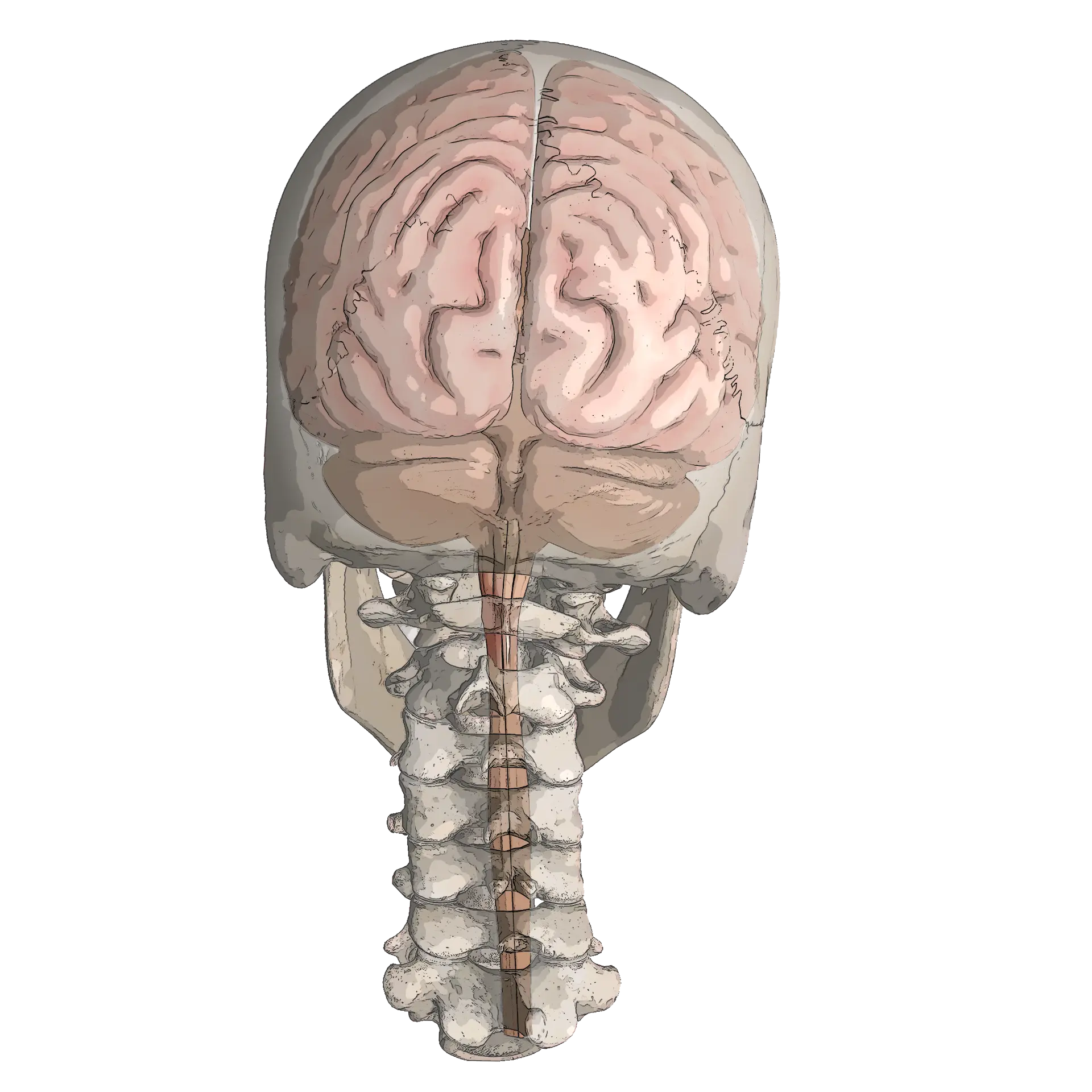
Why cervical function matters
Movement, Stability, and Sensory Input Work Together.
Joint mechanics, muscle control, and sensory signaling influence one another. Evaluating this integrated system gives both structure and function their place in understanding neck pain.
Cervical Joint Mechanics
Movement, loading, and joint function
Muscular Coordination
Movement control, stability, and proprioception
Sensory Signaling and Pain Processing
Nociceptive input and central nervous system processing
Together contributing to
Coordinated Cervical Movement and Function
Joint movement and mechanical loading
Cervical joints coordinate head and neck movement. Restricted or painful motion can alter loading and encourage protective muscle activity.
Assessing the entire cervical spine identifies restrictions and compensations beyond the painful area.
Muscular coordination and proprioception
Deep cervical muscles control movement and supply proprioceptive information—the body's sense of position. Neck pain can accompany changes in movement patterns and sensorimotor performance.
Head repositioning accuracy, movement confidence, and coordination can be affected. Functional testing helps measure these findings.
Nociceptive input and pain processing
Joints, muscles, discs, and associated tissues generate nociceptive input: signals related to potentially harmful stimuli. Nervous-system processing and modulation contribute to the experience of pain.
Persistent pain can involve local tissue factors and altered sensitivity. Its intensity alone does not identify the structure involved or amount of tissue injury.
Understanding neck pain requires looking at how the cervical spine moves, how its tissues function, and how the nervous system processes information.
Referred pain
The Source and Location of Pain Aren't Always the Same.
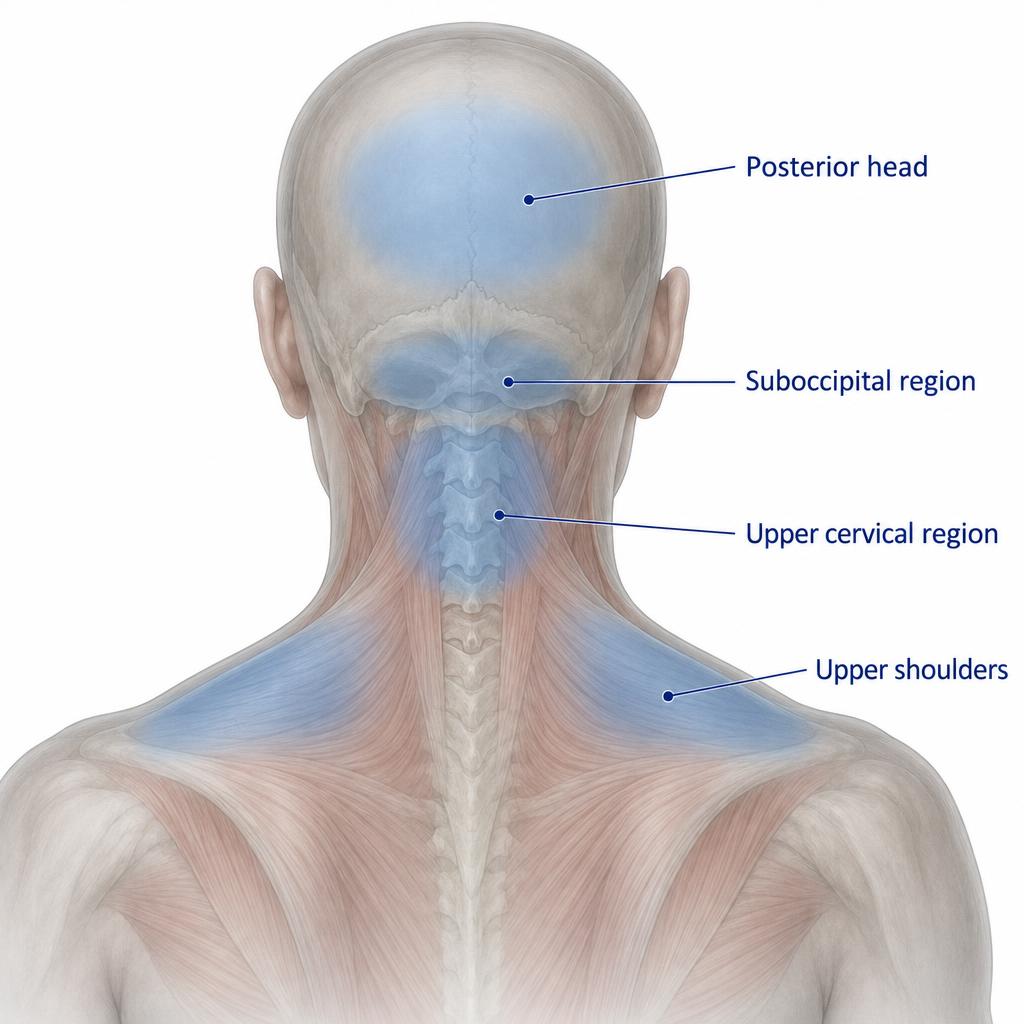
Cervical structures can contribute to discomfort around the suboccipital region at the skull base, toward the back of the head, or across the upper shoulders. The painful location does not always identify the source.
In the trigeminocervical complex, sensory pathways from the upper neck converge with pathways carrying sensation from the head and face. This shared processing helps explain cervical referred head pain and cervicogenic headache presentations.
Headaches and shoulder pain also have other causes. The symptom pattern and clinical findings help distinguish a cervical contribution.
Explore migraines & headachesThe evaluation
Looking Beyond the Location of Pain.
Evaluation begins with your symptoms and a clinical examination. We then connect relevant structural and functional findings to the way your neck moves and the demands of your daily life.
Clinical Examination
We review symptoms, movement restrictions, injuries, associated complaints, and neurological findings to determine whether chiropractic care or further medical assessment is appropriate.
CBCT Structural Analysis
Three-Dimensional Precision. A Clearer Structural Picture.
Cone-beam computed tomography (CBCT) lets us examine upper cervical bony anatomy in detailed three dimensions. Unlike two-dimensional radiographs, it provides multiple perspectives on joint relationships and individual anatomical variations.
- Atlas (C1) and axis (C2)
- Occipital region
- Upper cervical bony landmarks
- Three-dimensional bony relationships
This structural information informs our upper cervical analysis and individualized adjustment planning.
Required imaging and measurements precede an initial adjustment. Conventional X-ray evaluates other spinal regions when appropriate.
Detailed anatomy. Individualized analysis. Greater structural understanding.
Explore 3D CBCT imaging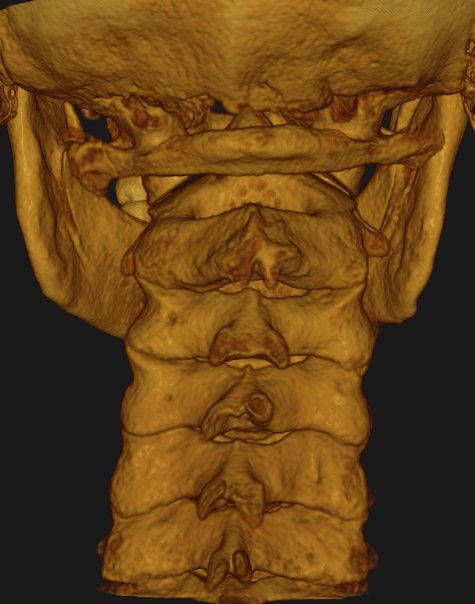
NeckCare Functional Assessment
Range of Motion measures cervical movement. Joint Position Error assesses head repositioning accuracy. The Butterfly Test evaluates movement tracking and sensorimotor control.
Additional Clinical Findings
Posture, skin-temperature patterns recorded with thermography, and clinical balance testing add context. We interpret these findings alongside your history and examination.
Equipment provides measurements. Clinical reasoning gives those measurements meaning within your individual presentation.
Individualized adjustment
Precision Over Guesswork.
At Rapid Chiro, the decision to make an upper cervical adjustment is based on an individual's examination and structural findings.
Rather than applying the same approach to every patient, we evaluate the cervical spine, determine whether an adjustment is indicated, and reassess relevant findings afterward.
Individualized analysis
Understanding your cervical structure, movement, and clinical findings.
Specific adjustment
Using a controlled upper cervical approach when the findings indicate an adjustment is appropriate.
Reassessment
Monitoring cervical findings, movement, and patient-reported function over time.
When to seek urgent medical help
Seek emergency care for severe neck pain after major trauma, sudden neck pain with a severe headache or new neurological symptoms, or fever with severe headache and marked neck stiffness. Call 911 for stroke-like symptoms such as sudden weakness, facial drooping, or difficulty speaking.
The goal isn't more adjustments. It's the right adjustment at the right time.
Patient experience
An Individual Story.
“Dr Kyle & Dr Riley are the best!! They have the coolest set up and were able to show me the root causes of different issues I’ve had with my neck. Highly recommend to anyone and everyone!”
One patient’s experience; individual results vary.
Your next step
A More Precise Look at Your Neck Starts Here.
Neck pain can involve more than one structure or mechanism. At Rapid Chiro, we evaluate cervical anatomy, movement, and function to identify meaningful findings and guide individualized care.
Want to Get In Sooner?
Looking for an earlier new patient appointment? Give our office a call and ask to be added to our cancellation waitlist. If an earlier appointment becomes available, our team can reach out to you.