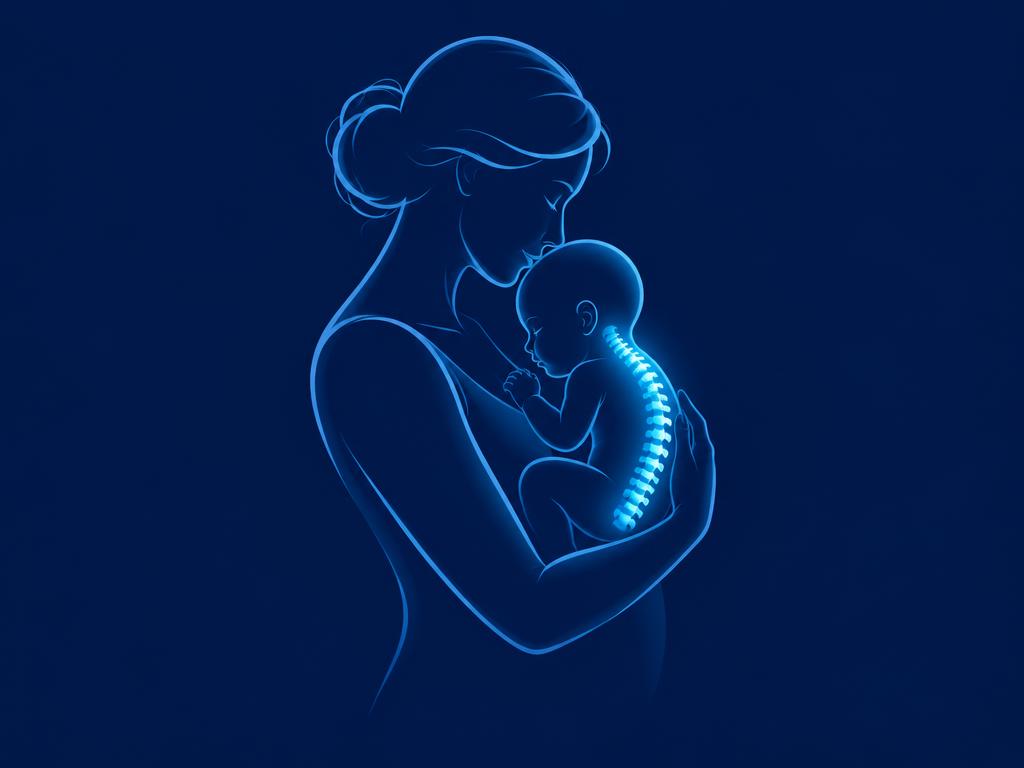
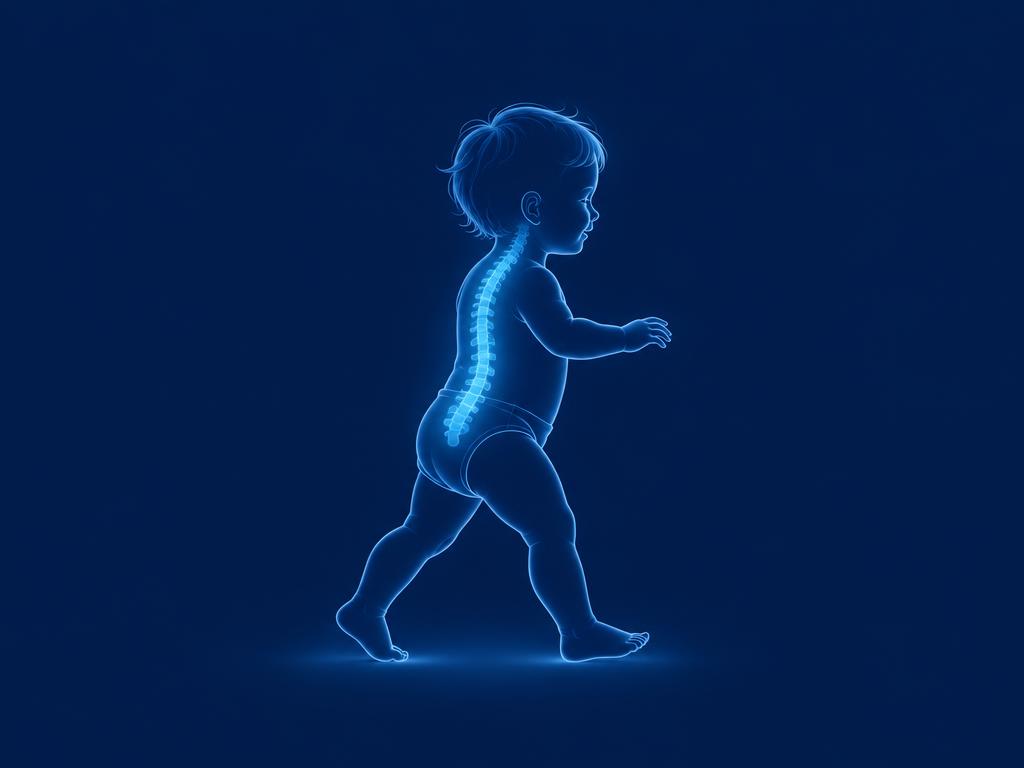
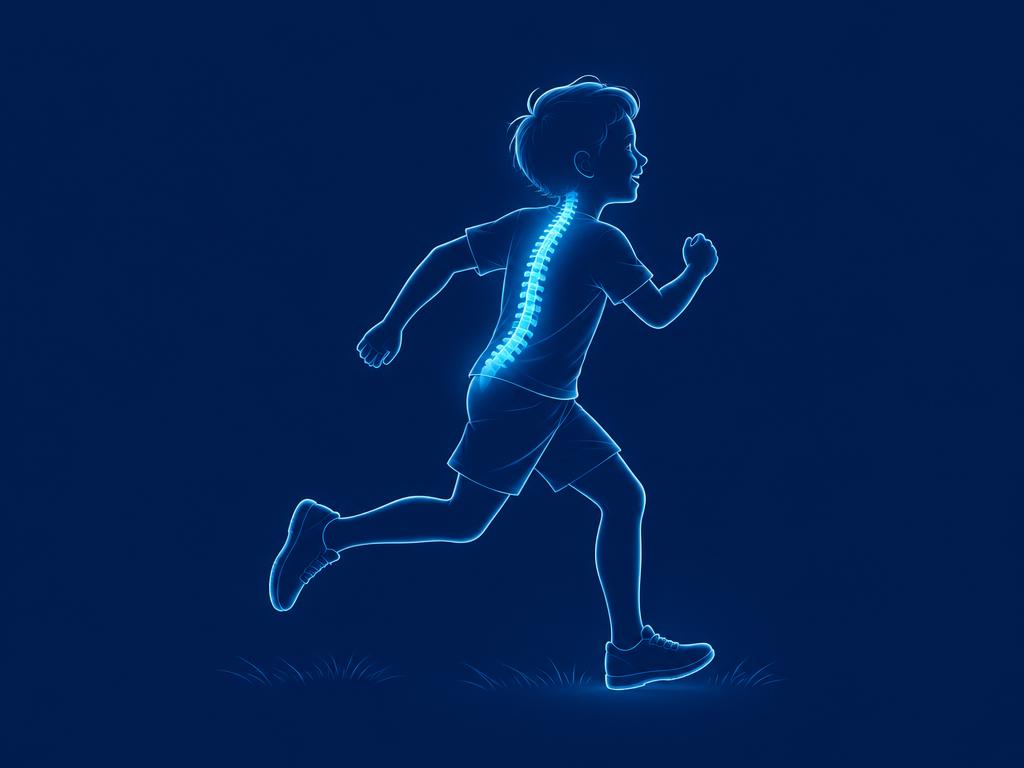
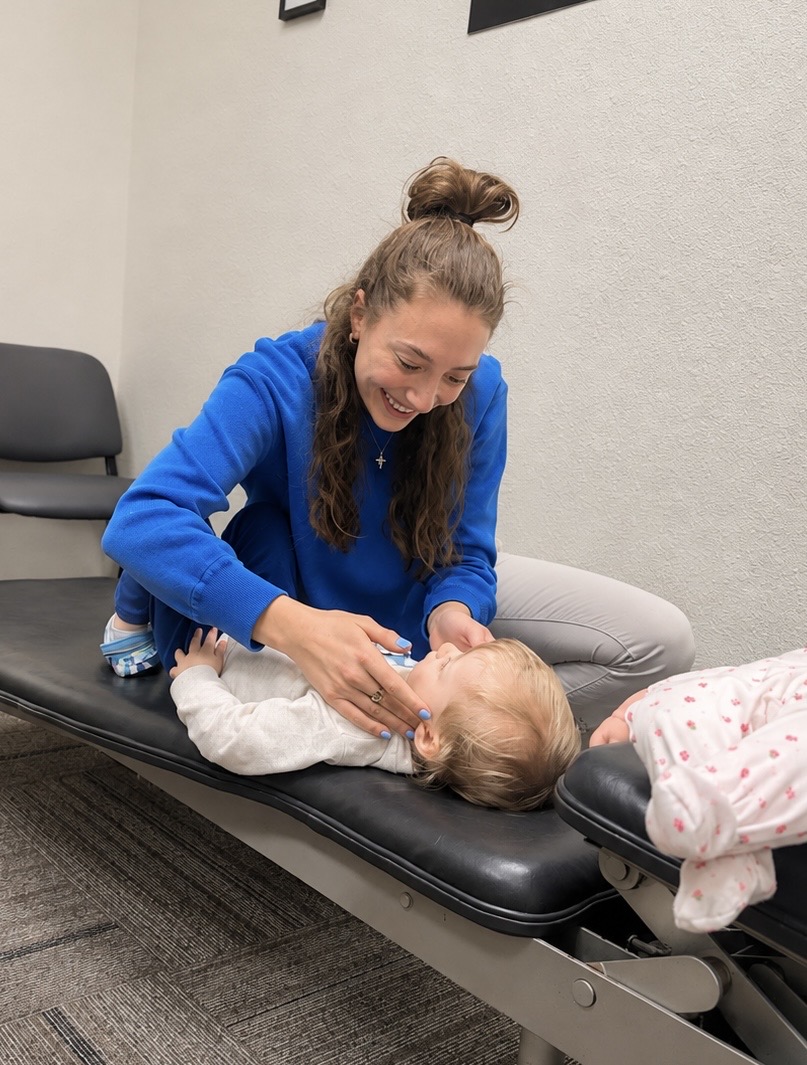
From their first movements to their biggest adventures, children are constantly growing and developing. At Rapid Chiro, we provide individualized chiropractic care that considers each child's changing anatomy, movement, and musculoskeletal needs.
Childhood involves ongoing changes in skeletal structure, muscular coordination, balance, and movement. A child's spine is not simply a smaller version of an adult spine—bones, joints, muscles, and movement patterns continue developing as children grow.
Spinal Growth
The vertebrae and surrounding musculoskeletal structures develop throughout childhood and adolescence.
Movement Development
Children progressively develop movement skills, coordination, strength, and control.
Sensory Awareness
Proprioceptive, vestibular, and visual information contribute to movement coordination and balance.
Changing Physical Demands
From learning to walk to participating in sports, children's physical demands change with age.
Understanding these changes is important when evaluating spinal function and determining which examination procedures are appropriate for each stage of childhood.
Observations for parents
Three Signs Your Infant May Benefit From an Evaluation
Babies experience significant physical changes during birth and early development.
While every baby develops differently, certain patterns of movement, positioning, or comfort may be worth discussing with a qualified healthcare professional.
Here are three observations parents can look for.
01
Persistent Head Tilt
Does your baby's head consistently tilt toward one side?
Some infants show a persistent preference for holding their head in one direction.
A consistent head tilt, particularly when it does not easily change with repositioning, warrants evaluation for possible neck muscle tightness or other causes.
02
Difficulty Turning the Head
Does your baby have difficulty turning their head in one direction?
An infant may consistently favor looking toward one side or appear to have limited neck movement.
Restricted cervical movement can have several causes and deserves appropriate clinical assessment.
03
Difficulty Settling or Sleeping
Does your baby frequently seem uncomfortable or have difficulty settling?
Infant sleep patterns vary considerably, particularly during the first months of life.
Persistent difficulty settling, especially when accompanied by unusual positioning, discomfort, feeding concerns, or restricted movement, may warrant further evaluation.
Difficulty sleeping alone does not establish a spinal problem.
Gentle, Individualized Care for Growing Families
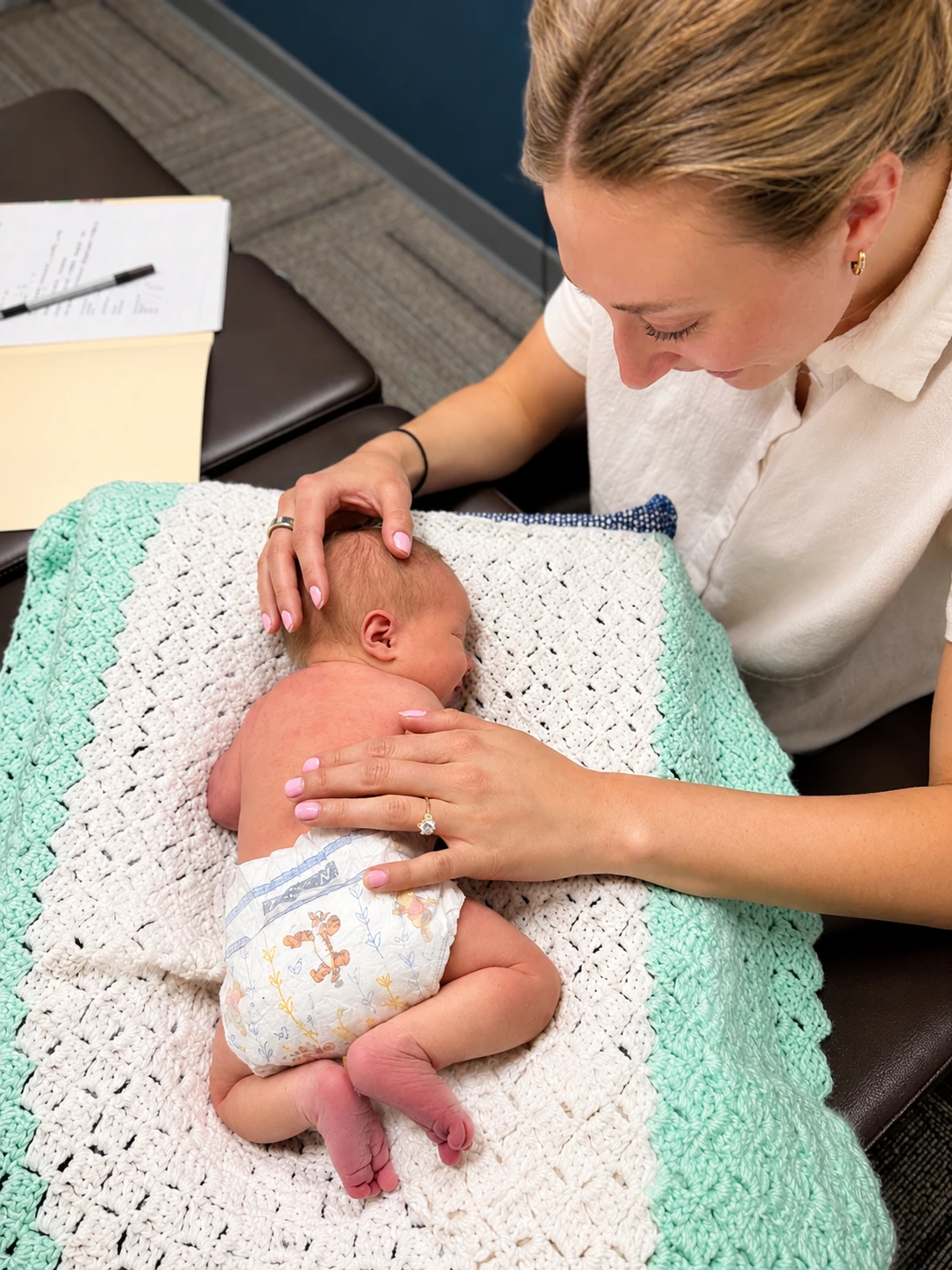
At Rapid Chiro, we take an individualized approach to evaluating infants and children, considering their movement, positioning, developmental stage, and overall comfort.
When appropriate, we coordinate with or recommend evaluation by pediatric healthcare professionals.
Sensorimotor development
Movement Is a Conversation Between the Body and Brain.
Coordinated movement depends on the nervous system's ability to gather sensory information, process it, and direct the muscles. Three interconnected concepts explain how this works throughout childhood.
Sensory information
Proprioception
Position and movement information from muscles and joints.
Vision
Spatial information that helps guide movement and posture.
Vestibular Input
Balance and orientation information from the inner ear.
Nervous system integration
The central nervous system combines these inputs to coordinate posture and movement.
Supporting
Movement, Balance & Coordination
Established physiology—conceptual relationships, not a diagnostic test or a prediction of any child's development.
01
Proprioception and Body Awareness
Sensory receptors in muscles, joints, and other tissues provide continuous information about body position and movement.
02
Balance and Sensory Integration
The nervous system combines proprioceptive, vestibular, and visual information to coordinate balance and orientation during everyday activities.
03
Motor Control and Coordination
Movement requires ongoing communication between sensory systems, the central nervous system, and muscles—refined as children grow and gain experience.
Movement depends on the ongoing relationship between sensory information, neurological processing, and muscular coordination.
Age-appropriate care
Care Should Change as Children Grow.
An infant, a toddler, and a teenager have very different bodies, abilities, and needs. Evaluation and care at Rapid Chiro reflect those differences.
Infants
Examination emphasizes gentle, age-appropriate observation of movement, positioning, and early musculoskeletal development. Any chiropractic procedures are adapted to infant anatomy and the clinical findings present.
Toddlers and Young Children
As movement skills, balance, and physical activity develop, examination methods are adapted to the child's age and ability to participate.
School-Age Children and Adolescents
Growing physical demands, sports participation, and growth-related changes shape the examination. Care approaches adult methods when developmentally appropriate, while remaining individualized.
Pediatric musculoskeletal concerns
Understanding How Your Child Moves and Functions.
Parents bring children to Rapid Chiro for many reasons. The emphasis is always on examination and clinical findings—not assumptions.
Neck or back discomfort
Musculoskeletal discomfort can occur at any age, from postural strain to sports-related demands.
Movement restrictions
Changes in how a child moves, turns, or uses their body can be worth evaluating.
Postural concerns
Parents often notice postural habits or asymmetries as children grow and spend more time sitting, studying, and using devices.
Sports-related complaints
Increasing training loads and competition place new musculoskeletal demands on growing bodies.
Changes in movement or coordination
Shifts in balance, coordination, or movement patterns can prompt a closer look at musculoskeletal function.
After minor physical injuries
Falls, collisions, and the everyday bumps of childhood can be followed by musculoskeletal findings worth assessing.
For infants, age-appropriate movement or positioning concerns are evaluated within the context of early development. Where medical evaluation is appropriate, we work within your child's broader healthcare needs.
Family-centered care at Rapid Chiro.
The pediatric examination
A Different Approach for Every Stage of Childhood.
The examination is adapted to your child's age, development, and presenting concerns—built around four assessment areas.
01
Health and Developmental History
We review relevant history, growth and developmental context, injuries, symptoms, and your observations as a parent.
02
Spinal and Musculoskeletal Examination
We evaluate spinal movement, joint function, and muscular findings with age-appropriate physical examination procedures.
03
Movement and Neurological Assessment
When clinically relevant, we assess coordination, balance, and posture. For younger children, observation often matters more than formal testing.
04
Individualized Clinical Findings
Everything we gather guides whether chiropractic care appears appropriate, whether additional evaluation is needed, and what approach may be indicated.
X-ray and CBCT imaging are not a routine requirement for pediatric chiropractic care. Imaging decisions for children are individualized—based on clinical necessity, age, and relevant findings.
Individualized chiropractic care
Specific Care. Adapted to Your Child.
Children have different anatomical and developmental needs than adults. At Rapid Chiro, examination and care are adapted to the individual child, with attention to age, comfort, and relevant musculoskeletal findings. When chiropractic care is appropriate, the procedures used are selected specifically for that child's needs.
01
Age-Appropriate Examination
Clinical assessment adapted to the child's developmental stage.
02
Individualized Chiropractic Procedures
Technique selection based on examination findings, anatomy, and comfort.
03
Ongoing Reassessment
Monitoring relevant findings and determining whether continued care is appropriate.
Parents Are Part of the Process.
We believe parents should understand what we're evaluating, what we find, and why a particular approach is recommended. We listen to your concerns, explain findings and procedures before anything is performed, and support informed decision-making—making the process clear, comfortable, and collaborative.
Every child develops differently. At Rapid Chiro, we take the time to understand your child's needs and provide thoughtful, age-appropriate evaluation and chiropractic care.
Looking for an earlier new patient appointment? Give our office a call and ask to be added to our cancellation waitlist. If an earlier appointment becomes available, our team can reach out to you.