

Back pain & spinal function
Back Pain Is Complex. Your Evaluation Shouldn't Be Guesswork.
Back pain can involve the interaction of spinal structure, movement, muscular coordination, and neurological processing. At Rapid Chiro, we look beyond the location of discomfort to better understand how your spine is functioning and which findings matter.
More than one experience
Back Pain Can Affect More Than Movement.
Localized Discomfort
Pain concentrated in the lower, middle, or upper back.
Stiffness and Restricted Movement
Difficulty bending, twisting, standing upright, or moving comfortably.
Referred or Radiating Symptoms
Discomfort that extends into the buttocks or legs, sometimes involving nerve-related symptoms.
Activity-Related Pain
Symptoms that change with sitting, standing, lifting, exercise, or prolonged positions.
Spinal biomechanics
Different Regions. One Coordinated System.
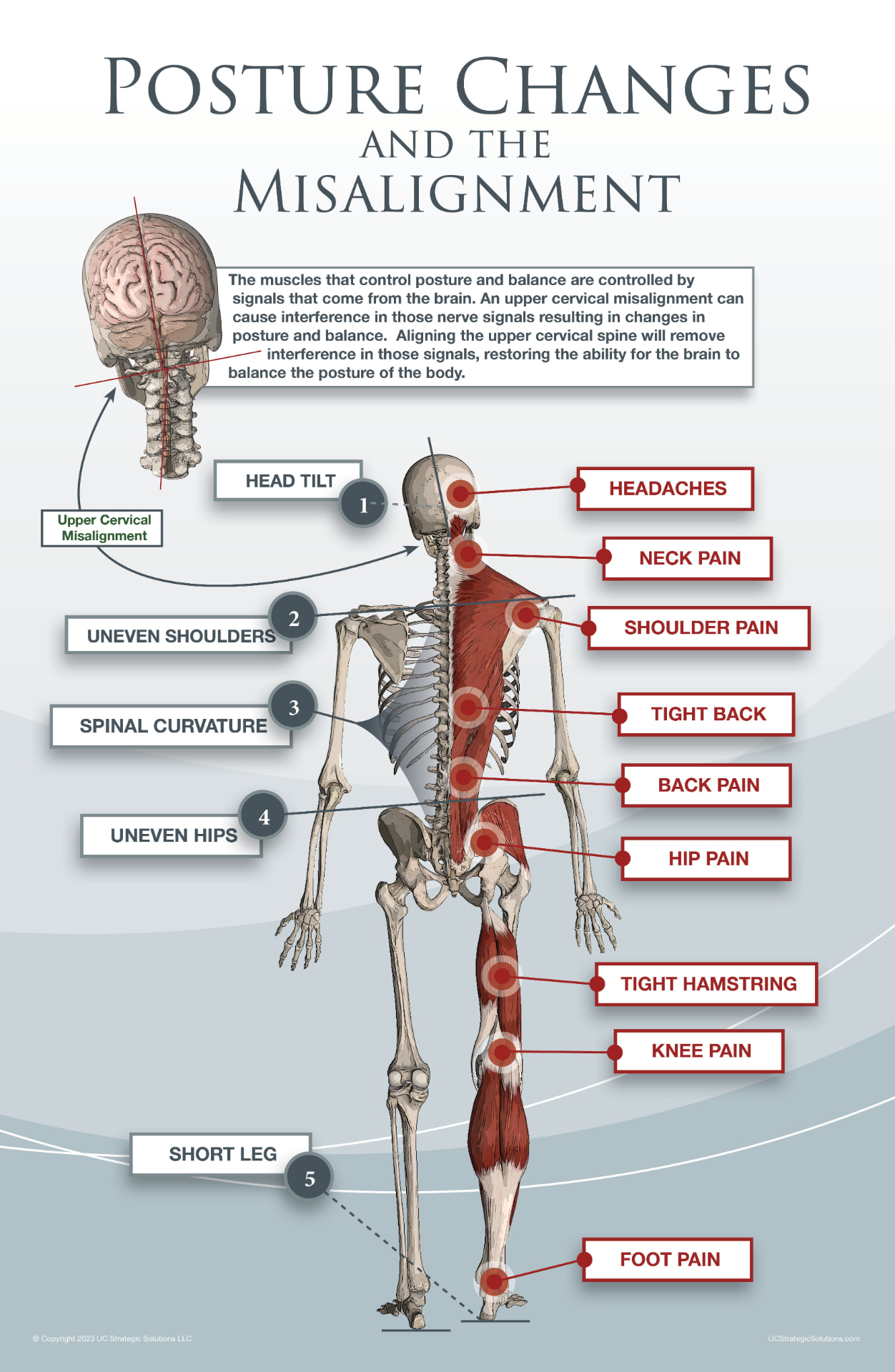
The spine is made up of multiple regions, each contributing differently to movement, stability, and load distribution. The cervical spine supports head movement, the thoracic spine interacts with the rib cage, and the lumbar spine and pelvis play important roles in transferring forces during daily activity.
These regions do not function independently. Movement and loading in one area can influence how other areas participate in a task.
Movement, stability & pain
Back Pain Involves More Than a Single Structure.
Spinal Joint Mechanics
Muscular Coordination
Sensory Input & Pain Processing
Together contributing to
Spinal Movement, Stability & Function
Joint Mechanics and Load Distribution
Spinal joints and discs support movement and distribute loads. Sitting, bending, and lifting place different demands on these tissues.
Mobility and load tolerance vary between individuals. Evaluating movement and activity-related symptoms identifies the demands relevant to your presentation.
Muscle Coordination and Stability
Spinal and trunk muscles coordinate movement, transfer forces, and provide stability. Pain can alter muscle activity and encourage protective movement strategies.
Coordinated function matters—not simply strength or an ideal posture. Assessment considers how you move and manage daily tasks.
Nociceptive Input and Pain Processing
Spinal tissues generate nociceptive signals in response to potentially harmful stimuli. The nervous system processes and modulates these inputs; they do not directly measure pain.
Tissue input, movement-related sensitivity, and individual pain processing interact. Pain intensity does not reliably correspond to structural changes visible on imaging.
Understanding back pain means looking at how the spine moves, how its structures manage load, and how the nervous system responds.
The upper cervical connection
How the Top of Your Spine Connects to the Rest.
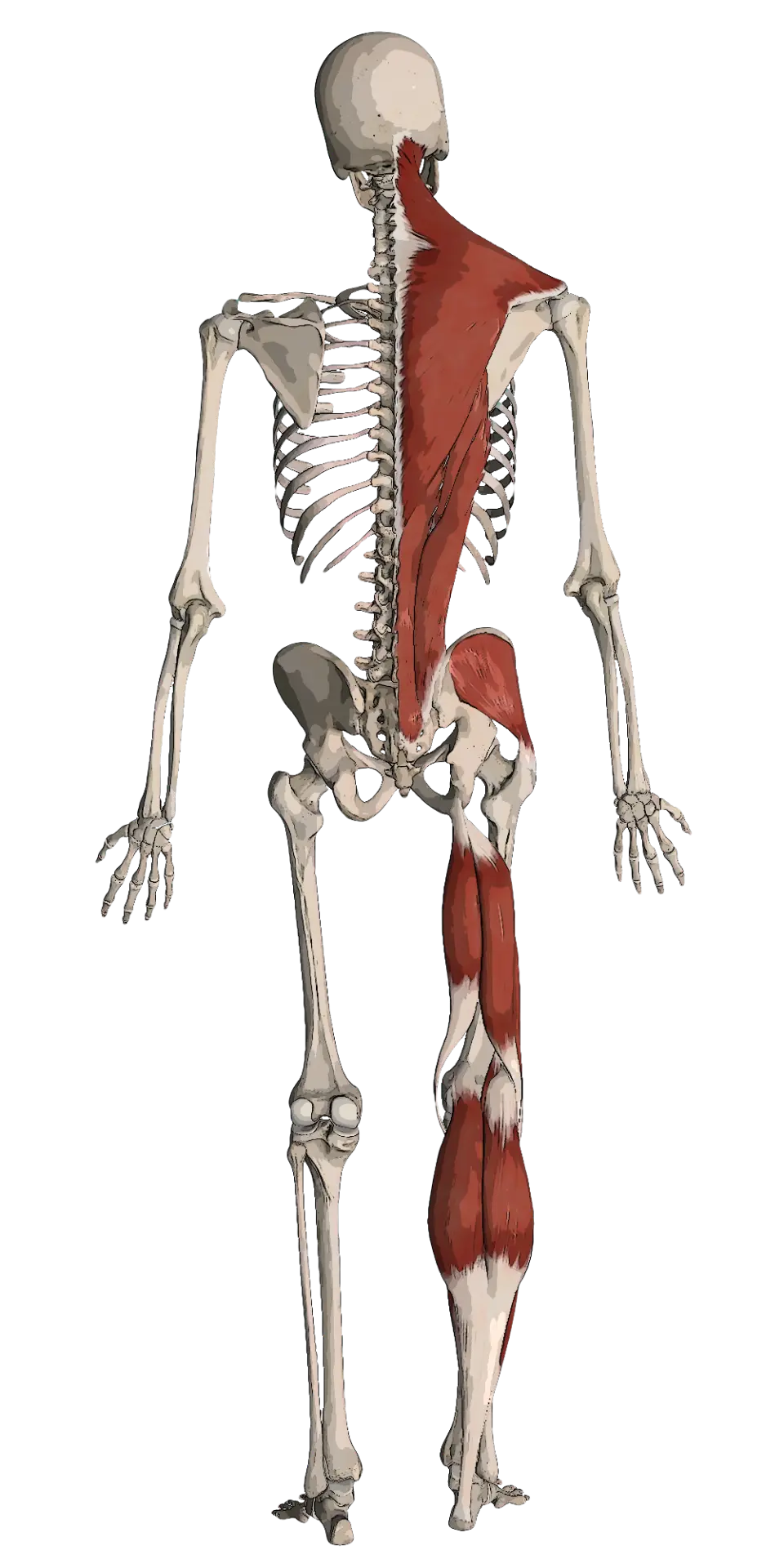
The upper cervical spine plays an important role in head movement, position awareness, and sensorimotor control. These functions are part of a larger neurological system that coordinates posture and movement throughout the body.
Understanding this relationship helps explain why an upper cervical evaluation may be relevant even when discomfort is experienced farther down the spine.
Cervical Proprioception and Postural Control
The upper cervical muscles and joints provide sensory information about head position and movement. The nervous system integrates this information with visual and vestibular input to help coordinate balance and postural control.
Head, Trunk, and Pelvic Coordination
The head, trunk, and pelvis work together during standing, walking, and other movements. Changes in cervical mobility or sensorimotor control can influence how the body organizes movement, making regional coordination an important consideration during examination.
Spinal Movement and Load Distribution
Different spinal regions contribute to movement and mechanical loading. Evaluating the upper cervical spine alongside the thoracic, lumbar, and pelvic regions can provide a more complete picture of how an individual's spine functions.
Sensory input. Coordinated movement.
Upper Cervical Sensory Input
Head position and movement information
Central Nervous System Integration
Cervical, visual, and vestibular information
Postural & Movement Coordination
Balance and organized movement
Trunk & Pelvic Movement
Regional movement and load transfer
Where pain is felt is one part of the picture. How the spine functions as a whole is another.
Structure & function
What Imaging Can Tell Us About the Spine.
Structural imaging provides information about bony anatomy that symptoms alone cannot reveal. Spinal curvature, vertebral relationships, degenerative changes, and individual anatomical variations are interpreted alongside the examination and functional assessment. Structural changes can also be present in people without pain.
Thoracic & lumbar structure
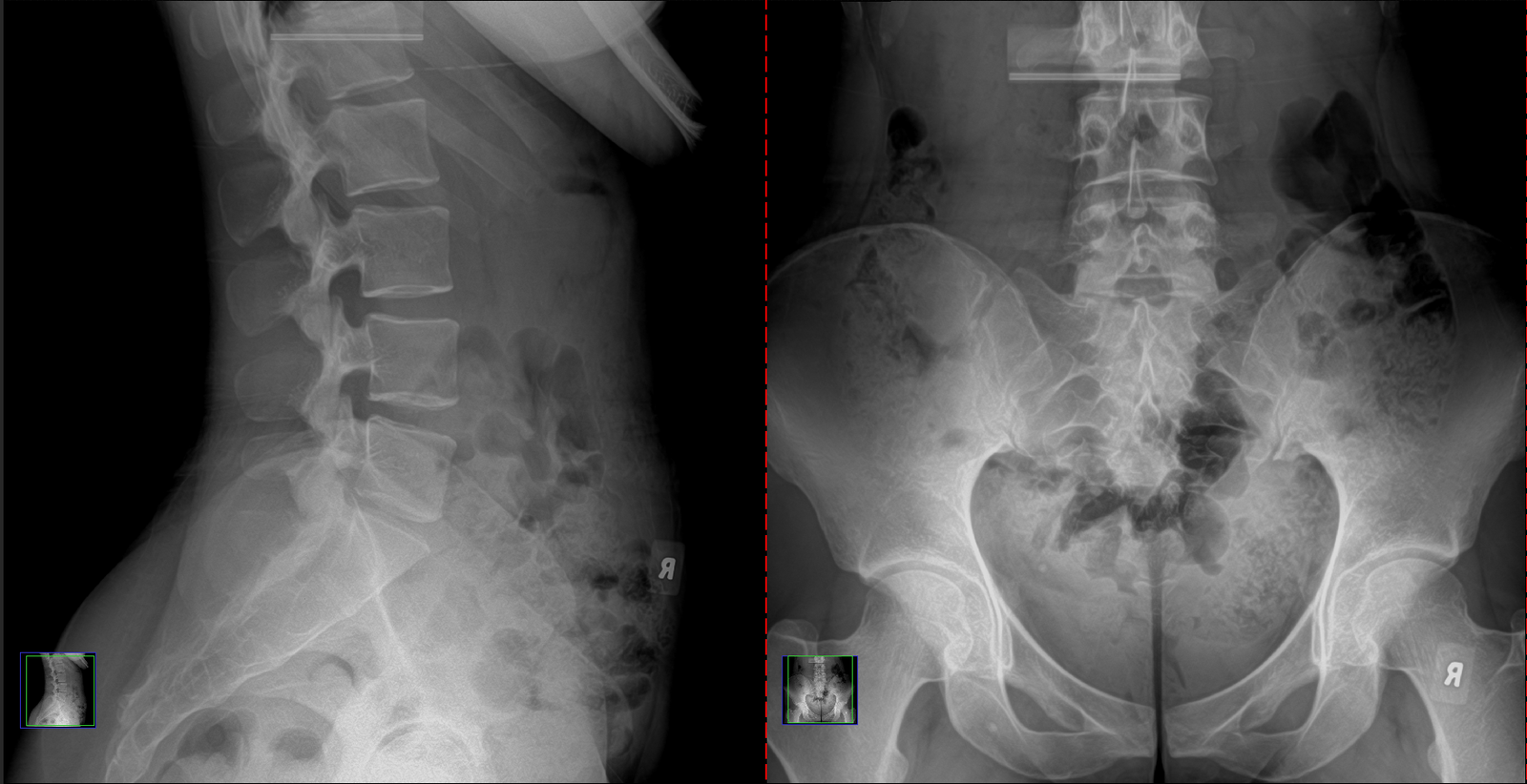
Conventional Spinal X-Ray
Radiographs provide structural information about the thoracic and lumbar spine, including curvature, vertebral relationships, and relevant bony findings in the regions being assessed.
Three-dimensional precision
Upper Cervical CBCT Analysis
Advanced CBCT imaging allows us to examine the atlas, axis, and surrounding bony structures in remarkable three-dimensional detail. By viewing these structures from multiple perspectives, we can better understand individual anatomy and structural relationships when planning upper cervical care.
This is a distinct upper cervical analysis—not a direct diagnostic test for lumbar back pain.
Explore 3D CBCT imaging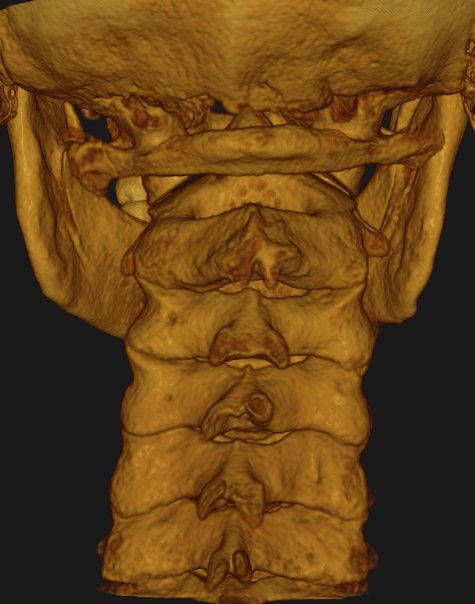
The evaluation
A More Complete Look at Spinal Function.
Evaluation begins with your symptoms and clinical examination. Structural and functional findings then help us understand how your spine moves and which findings should guide care.
Clinical Examination
We review your history, symptom distribution, relevant injuries, movement, and neurological findings to determine whether chiropractic care or further medical assessment is appropriate.
Structural Imaging
Conventional X-ray evaluates relevant spinal anatomy, including thoracic and lumbar regions. When upper cervical care is being considered, CBCT provides its detailed three-dimensional bony analysis. Required imaging and measurements are obtained before an initial adjustment.
Functional Assessment
Spinal movement, posture, and relevant functional limitations help connect examination findings to everyday activity. When evaluating cervical function, NeckCare can measure range of motion, head repositioning accuracy, and movement tracking.
Additional Clinical Findings
Posture assessment, clinical balance testing, and skin-temperature patterns recorded with thermography add context when relevant. These findings are interpreted alongside your history and examination to guide individualized decisions.
Specific care
The Right Approach for the Right Findings.
Every spine is different. At Rapid Chiro, examination and structural findings help guide decisions about whether a chiropractic adjustment is indicated and where attention should be directed.
Our approach combines an upper cervical focus with assessment of the rest of the spine, emphasizing precision, individualized care, and reassessment rather than applying the same adjustment to every patient.
Individualized Evaluation
Understanding structural and functional findings.
Specific Adjustment
Addressing clinically relevant findings with an appropriate chiropractic approach.
Reassessment
Monitoring symptoms, movement, and function over time.
The goal isn't more adjustments. It's the right adjustment at the right time.
When to seek urgent medical help
Seek emergency care for new bowel or bladder dysfunction, difficulty passing urine, numbness in the saddle area around the groin or inner thighs, significant or progressive leg weakness, or back pain after major trauma.
Patient experience
An Individual Story.
“After 24 years in uniform, my body kept a running tab, and it came due in my back, neck, and shoulders. […] Dr. Kyle provided an in-depth analysis and explained the problem in plain terms, and told me what to expect. He clearly knows his craft, and he actually cares about the people on his table. […] Dr. Kyle worked with my history as a veteran, not around it.”
One patient’s experience; individual results vary.
Common questions
Back Pain & Spinal Function FAQ.
Your next step
Understand Your Spine. Move Forward With Confidence.
Back pain can involve several interacting structures and processes. At Rapid Chiro, we combine clinical examination, structural imaging, and functional assessment to guide individualized chiropractic care.
Want to Get In Sooner?
Looking for an earlier new patient appointment? Give our office a call and ask to be added to our cancellation waitlist. If an earlier appointment becomes available, our team can reach out to you.